

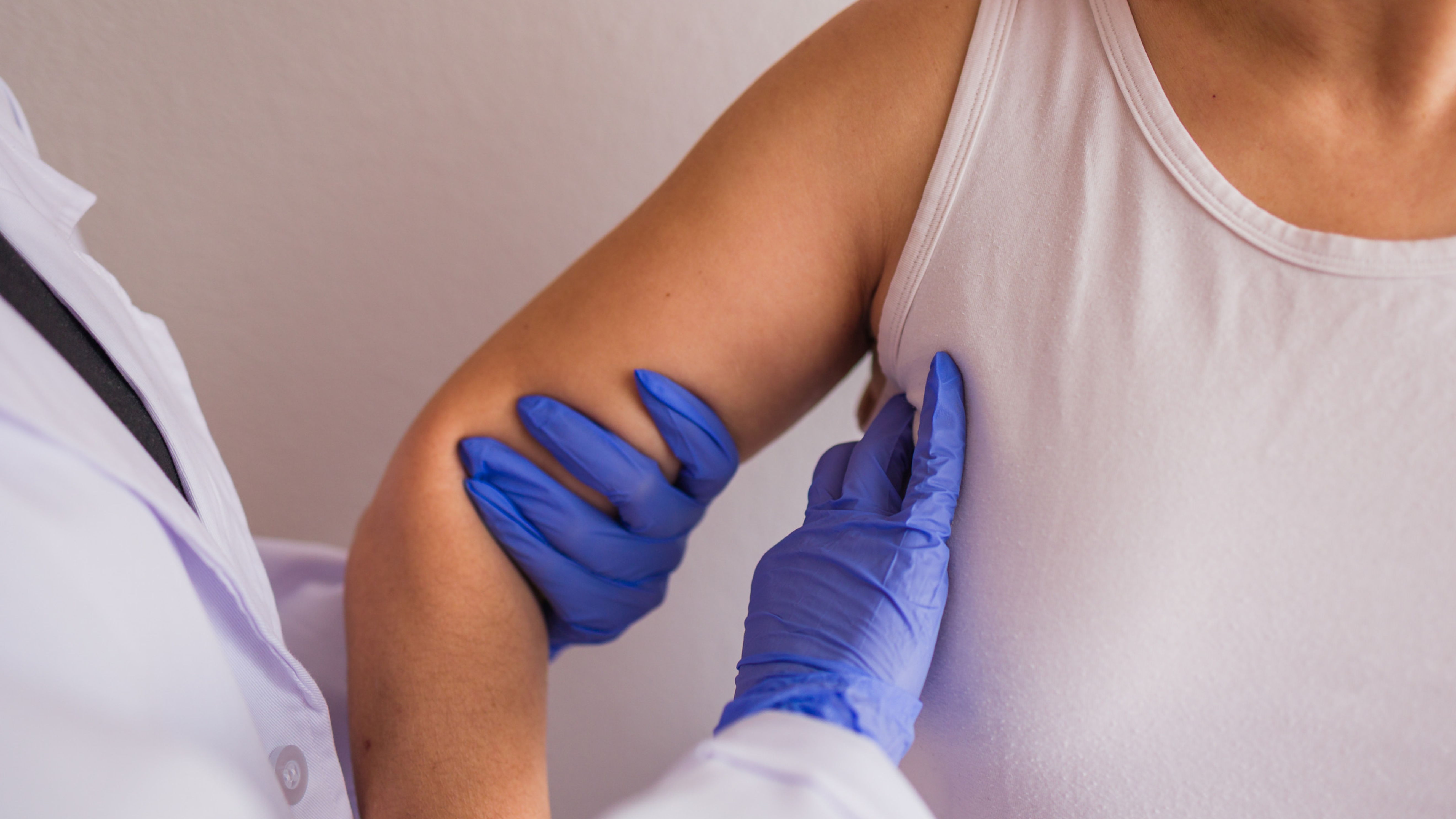

Why is breast cancer screening important?
Around 55,000 people are diagnosed with breast cancer in the UK every year, and around 1 in 7 women will develop breast cancer during their lifetime.
Breast screening uses a special X-ray called a mammogram to look for signs of breast cancer before there are any obvious symptoms. Finding breast cancer early can mean treatment is more effective and may be simpler. However, screening does not detect every cancer, so it is important to report any unusual breast changes to a GP, even after a recent screening appointment.
Are people getting equal access to screening?
NHS England figures for 2020–21 showed that only 38.1% of women aged 50–69 with autism and a learning disability had been screened for breast cancer, compared with 54.4% of women in the same age group who had autism but no learning disability.
That means fewer than 4 in 10 women in the first group had been screened.
These figures highlight the importance of making screening accessible and providing the right support to help people attend their appointments.
How can you help?
People may need different types of support to access breast screening, particularly if they don’t communicate using words and find unfamiliar environments, new people or medical procedures difficult.
Here are some practical ways to help.
1. Prepare before the appointment
Contact your local NHS breast screening service before the appointment. Explain the person you support’s needs and ask what reasonable adjustments can be made.
These might include:
- Extra time for the appointment.
- A quieter environment, where available.
- Clear explanations and accessible information.
- Having a familiar team member accompany them.
- Visiting the screening centre beforehand to meet staff and become familiar with the room and equipment, if this can be arranged.
Planning ahead can help reduce anxiety and make the experience more comfortable.
2. Prepare at home
Help the person you are supporting to understand what will happen using an approach that works for them.
You could:
- Use pictures, visual stories, easy-read information or symbols to explain the appointment.
- Talk through each step at a pace that feels comfortable.
- Use communication aids or familiar methods to help the person express their feelings and choices if they are non-verbal.
- Practise the journey and explain who will be there.
- Give the person time to process information and ask questions in their own way.
Macmillan Cancer Support and the NHS provide accessible resources that can help explain breast screening before the appointment.
3. Support the person during their appointment
If the person would like you to attend, help them feel reassured and communicate their needs to the screening team.
The screening professional should explain what is happening and give the person time to understand and respond. Agree how the person can communicate if they need a break or become uncomfortable.
The person’s comfort, consent and choices must remain central throughout the appointment. If they become distressed or cannot continue, speak with the screening team about pausing and discussing the next steps. Never force someone to undergo screening. It’s better to make the visit a positive experience even if the screening isn’t completed. This makes it more likely that they will try again another time rather than remember a bad experience.
4. Follow up after the appointment
Give the person time to process the experience and talk about how it went, using their preferred communication method.
If the appointment could not be completed, contact the screening service to discuss whether another appointment, additional preparation or different adjustments might help.
Remember, supporting someone means helping them understand their options and make an informed choice, not pressuring them to attend.
Useful resources:
Macmillan Cancer Support: Breast Care and Screening Easier – Read Guide
An accessible guide with pictures and simple explanations about breast cancer, breast care, changes to look for and breast screening.
Read the Macmillan Easy Read guide
NHS – A Guide to Breast Screening
An NHS easy-read guide explaining breast screening, what happens during the appointment and how to make an informed choice.
Read the NHS Breast Screening Easy Guide
Who Is Breast Screening For?
In England, women are routinely invited for breast screening from between the ages of 50 and 53, with invitations every three years until their 71st birthday. People aged 71 and over can still request screening every three years.
With the right preparation, communication and adjustments, we can help more people access breast screening in a way that respects their needs, dignity and choices!