

Chloe’s Journey Towards Learning Disability Nursing
My journey towards learning disability nursing, the challenges of progression, and the uncertainty of pursuing a career I’m passionate about.
Growing up with siblings with Learning Disabilities and additional needs, I’ve always had an understanding of the importance of inclusion, advocacy and providing personalised support. However, I never imagined just how much this would shape my future career.
During COVID, I found myself working in a residential children’s home supporting young people with learning disabilities and physical health needs. What initially started as employment during an uncertain time quickly developed into something more meaningful. I discovered a genuine passion for supporting people with learning disabilities, understanding their individual needs, and helping them to have their voices heard.
My experience became even more personal when I became a parent to a child with additional needs, meaning I wasn’t just seeing the importance of dedicated care through the eyes of a sibling or a professional but also through those of a parent. Yet despite all of this, I still didn’t know Learning Disability Nursing was a career.
A Career I didn’t know existed
When I researched ways I could further my education, I discovered Learning Disability Nursing was a specialised field within the nursing world, that holds its own registration and pin, and then something clicked.
Here was a career that brought together my personal passion and professional knowledge. A career where I could develop my clinical skills whilst making a difference in an area that has been a part of my life since I could remember.
But looking back now, I have been wondering how did I not know about this sooner? I have had exposure to various learning disability services and settings throughout my life and still didn’t know. How many other people are unaware that this career exists?
The pathway I thought I had
With a clear goal in mind, I started on the Nursing Associates course to gain the fundamental clinical skills to allow me to progress onto the Learning Disability top up degree and qualify as a Registered Learning Disability Nurse. I knew it would require commitment, hard work and dedication. I felt like I had found my calling and my pathway to get there.
However, halfway through my training I received the news that my university was no longer going to be offering the Learning Disability top up I had hoped to progress to. Adult, Children or Mental health nursing remained- but no Learning disability.
Of course, I understand that Universities must consider the viability of the courses they offer, but understanding that doesn’t make the situation any less defeating for those of us who are left wondering, how we are going to achieve our end goal of dedicating our passion to working as a Learning Disability Nurse.
I began looking into other universities thinking it would be a case of just ‘going to another local uni’ only to discover even more providers are no longer offering the course. For the first time I was no longer questioning if I wanted to become a Nurse, it was how I was going to become one. The response I received from various educational providers was “why don’t you do Mental Health instead?”.
An Invisible Profession?
One thing that frustrates me more than anything during my journey to become a Learning Disability Nurse is how frequently the profession is misunderstood. I am continuously met with comments like “What’s that? Do you work in a care home?”, “So, not proper nursing then?”, “Oh like mental health”. Although the people saying them do not intend on being negative, they reflect a wider lack of understanding about what Learning Disability Nurses actually do.
Learning Disability Nursing is a specialised profession involving clinical knowledge, communication, advocacy, health promotion, and the delivery of person-centred care. They work across a range of settings supporting individuals with complex needs, reducing barriers to health, understanding functions of behavior, and helping to address inequalities experienced by people with additional needs.
It is not somehow less than other fields of nursing; it is simply different. With its own set of knowledge and skills, just like Adult, Child, and Mental health nursing. Yet how often do we hear about Learning Disability Nursing when discussing careers in healthcare? How frequently is it promoted to students considering nursing, or to people already within learning disability settings? I think back to 21-year-old me who had no idea until I stumbled upon it.
I can’t help but wonder whether the lack of visibility impacts the numbers of people applying to universities to do the LD degree, thus meaning the course is being cancelled by various providers across the county. If people don’t know the career exists, how can they consider applying for a degree in it? And when courses are withdrawn because of insufficient numbers, are we at risk of creating a cycle where fewer opportunities lead to less awareness and accessibility?
What about those of us who want to be here?
We regularly hear about staffing pressures across healthcare and retaining a skilled nursing workforce, this is no different to Learning Disability services. Yet here I am, alongside many others who share similar ambition and dedication to the field but are struggling to find a route on how to get there.
I didn’t expect the journey to be easy, nor do I believe that passion alone should qualify someone to become a nurse. I recognise the importance of rigorous education, clinical competence, and professional standards, but how can we develop these skills if the pathway isn’t there?
I am proud to be training as a Nursing Associate, and I value the opportunities and experiences my training continues to provide. But I don’t want to compromise on the field of nursing I am passionate about, simply because the progression route I had planned is no longer available. I hope that greater awareness of Learning Disability Nursing, alongside stronger, more accessible pathways, will help encourage more people to consider this vital profession. There may be future Learning Disability Nurses who haven’t yet discovered that this career exists, or that there are others who have discovered it and who have the passion and determination to pursue it, who are now left wondering how.
If we have people who are passionate, experienced, and determined to become Learning Disability Nurses, can we really afford to leave them without a clear pathway into the profession?
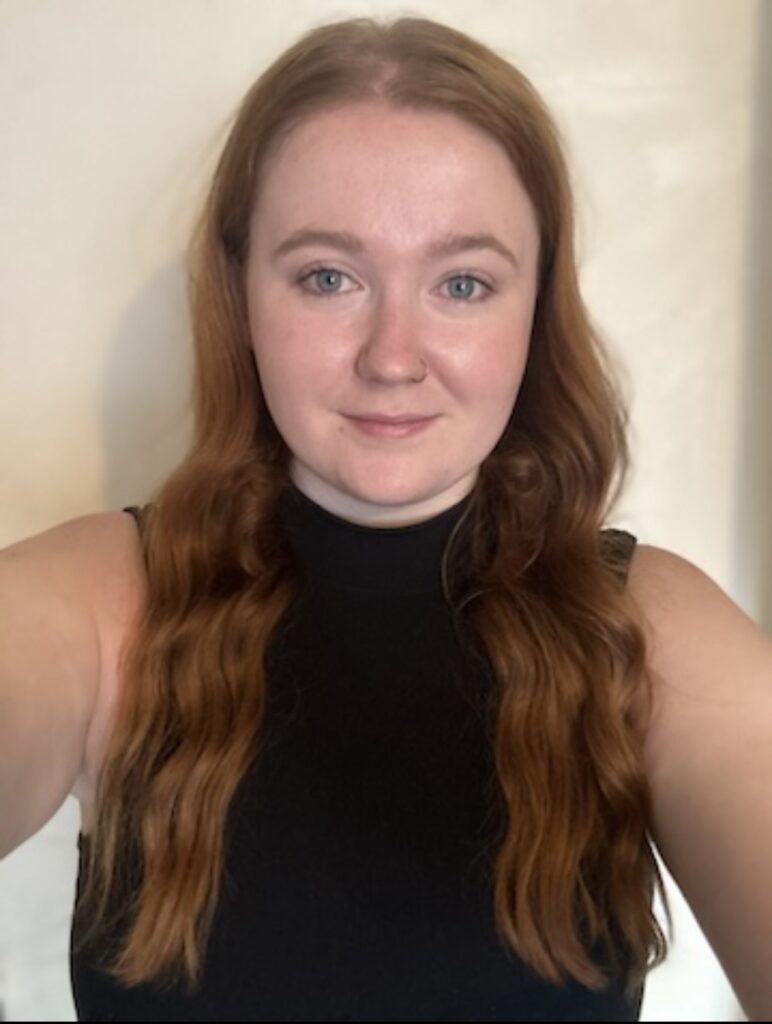
Chloe Christie is a Trainee Nursing Associate and PBS Clinical Assistant at PBS4. She has been part of the PBS4 team for 3 years, working within our clinical team to ensure that the people we support are empowered and enabled to live the lives they choose.