

Written by Jonathan Beebee – Chief Enablement Officer
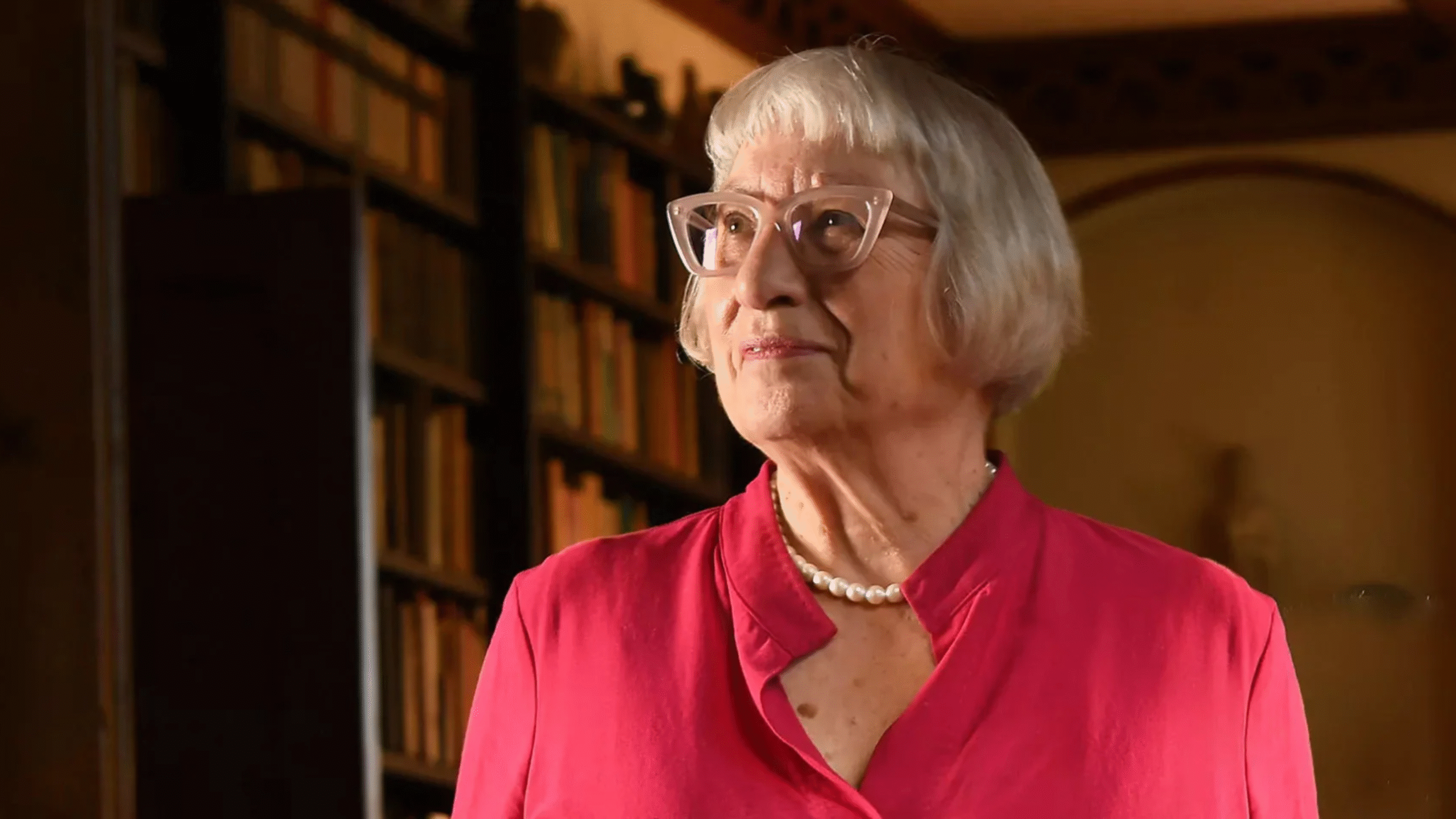
Recent comments from Professor Dame Uta Frith have reignited debate about the autism spectrum and whether diagnostic boundaries have become too broad. She argues that widening definitions may risk reducing diagnostic precision and making it harder to understand what support individuals actually need.
The reaction to these comments has been mixed and passionate. Some have welcomed them as a long-overdue challenge to current thinking. Others have seen them as undermining autistic identity and the progress that has been made through the neurodiversity movement.
But perhaps we are all looking at this from the wrong angle. Rather than asking whether the autism spectrum has become too broad, we should ask: “What does a diagnosis actually tell us about the person?” I think the answer is often less than we instinctively believe.
Diagnosis Matters. But It Has Limits.
A diagnosis can be transformative. It can provide explanation, validation, legal protections, access to support, and a sense of identity. For many people, receiving a diagnosis is life-changing. However, diagnostic labels were never designed to be comprehensive descriptions of an individual’s life.
An autism diagnosis does not tell us:
- Whether someone lives independently.
- Whether they require 24-hour support.
- Whether they experience significant sensory distress.
- Whether they struggle with emotional regulation.
- Whether they can manage everyday tasks.
- Whether they are at risk of exploitation.
- What their strengths are.
- What support works best for them.
Two people with the same diagnosis may have entirely different lives, aspirations, capabilities and support needs. Yet services, systems and sometimes professionals often act as though the diagnosis itself explains everything. It does not.
The Same Challenge Exists Across Neurodevelopmental Conditions
This issue is not unique to autism.
A diagnosis of ADHD does not tell us about risk.
A diagnosis of cerebral palsy does not tell us about communication.
A diagnosis of learning disability does not tell us about health complexity.
Even within learning disability services, and the people I have worked alongside throughout my career, there is enormous variation in people’s strengths, support needs, independence, communication and health outcomes.
The label tells us something important. But it does not tell us enough.
This is one of the challenges that I’ve been working through with colleagues and experts by experience at The Enablement Hub. We have been exploring how support is identified for people with neurological disabilities and differences in a forthcoming discussion paper. The paper argues that systems have become overly reliant on diagnostic categories when planning support, commissioning services and organising pathways. We need a better way of recognising complexity, understanding functional impact, and deciding when specialist support is needed.
A diagnosis may tell us why somebody experiences difficulties. It doesn’t tell us how much support they need.
From Diagnosis to a Neurodisability Framework
The neurodisability framework we have been developing does not seek to replace diagnosis. Nor does it seek to challenge people’s identities. Instead, it asks a different question: “What is the functional impact of this condition across the person’s life?”
The framework considers how a person is affected across multiple domains including:
- Communication
- Cognition and learning
- Daily living and independence
- Physical health
- Behaviour and emotional regulation
- Sensory processing
- Participation and social inclusion
- Safety and vulnerability
Rather than assuming that diagnostic labels tell us everything we need to know, it seeks to understand the person’s actual experience and support requirements. In simple terms:
Diagnosis tells us the name of the condition the person has.
The Neurodisability Framework helps us understand what that means for their life.
Why This Matters
The current debate around autism often becomes trapped between two competing positions. One side worries that diagnostic categories have become too broad. The other worries that narrowing diagnostic definitions will exclude people who genuinely need support. Both concerns are understandable, but neither addresses a more fundamental problem. Even a perfectly constructed diagnostic system will never be able to describe the complexity of human experience.
A diagnosis alone cannot tell services who requires specialist intervention, who needs coordinated support, who faces significant risk, or who is likely to experience poor outcomes. Those decisions require a deeper understanding of functional impact and support needs.
This is especially important for people who experience significant functional disability from their diagnosis, but whose needs can become lost between service boundaries.
Supporting People, Not Labels
The neurodisability framework begins from a simple principle: People should be understood as individuals, not as diagnoses. That means recognising strengths as well as difficulties. I recognise that some autistic people prefer identity first and want their autism recognised as an important part of their identity. That is completely respected. Services need to understand both the person’s identity and the practical impact their condition has on everyday life.
And it means moving away from debates about whose diagnosis is more valid, towards conversations about what support enables people to live good lives. In many ways, this is not a challenge to neurodiversity thinking. It is an extension of it.
If we truly believe every individual is different, then we also need systems capable of describing those differences in meaningful ways.
Looking Ahead
The discussion sparked by Dame Uta Frith is important because it reminds us of the limitations of diagnosis itself. The polarised views are really important too. We need a world where people can hold different views without being “wrong” or “the enemy”.
I don’t think the future lies in broader labels or narrower labels. It should lie in recognising that diagnosis is only one part of the picture.
Diagnosis helps us understand what a condition is. We now need better ways of understanding what that condition means for the person. Because ultimately, the most important question is not: “What is this person’s diagnosis?” It is: “What does this person need to maximise independence and thrive?”